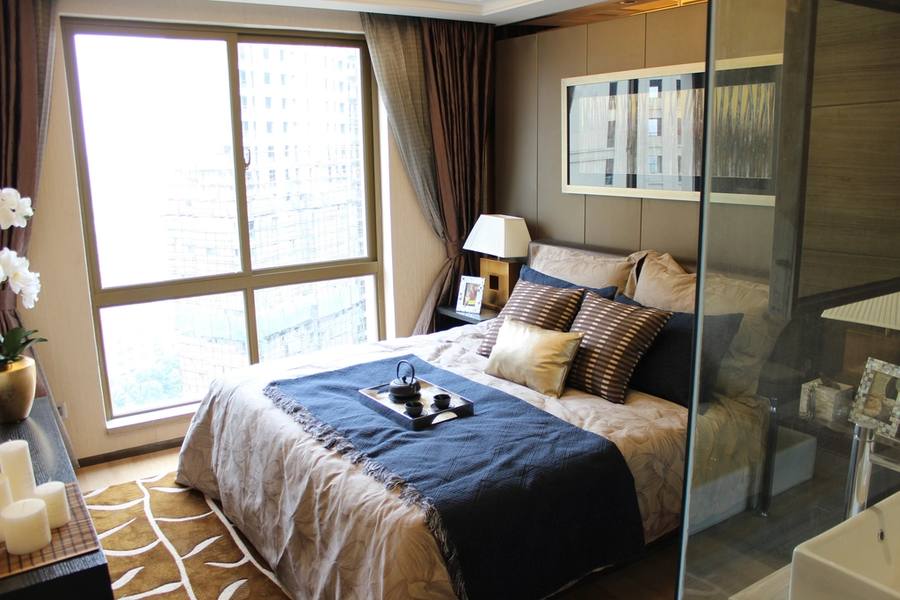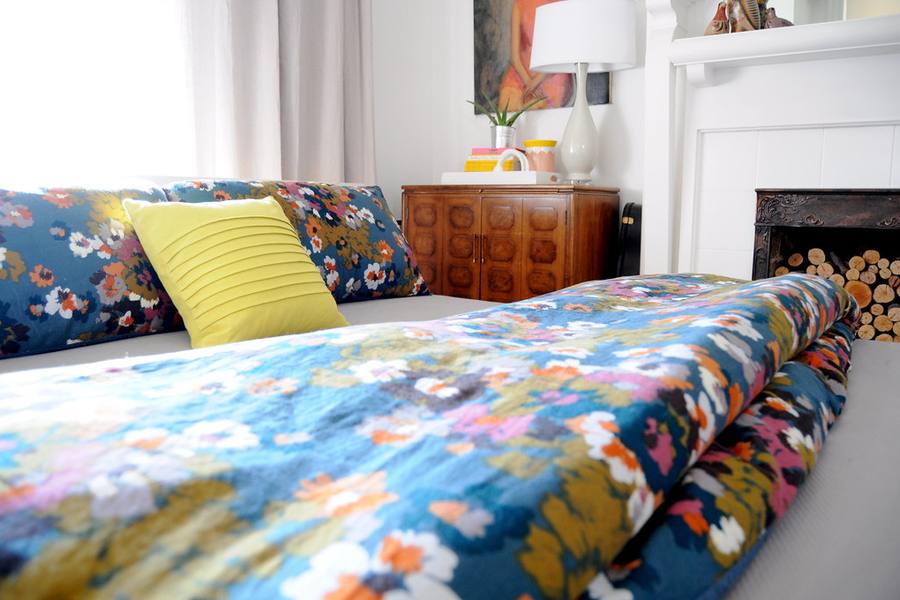
Representative image (stock photo); not the exact product.
Never For Infants Or Young Children
Weighted blankets present a suffocation and entrapment risk to infants and young children, who cannot lift the weight off themselves.
Deaths have been associated with weighted products used on young children, and guidance is consistent that they should not be used under about two years and only with medical advice for young children beyond that.
That is the most important thing in this article, and it is frequently buried in small print on products marketed broadly as calming.
Deep Pressure And What The Evidence Shows
The proposed mechanism is deep pressure stimulation producing a calming effect, and many users report reduced anxiety and easier sleep onset.
Research is mixed, with some studies showing benefit for anxiety and insomnia and others finding effects no greater than placebo.
The honest position is that a substantial number of people find them genuinely helpful, and the evidence does not support presenting them as a treatment.
Weight Selection
The common guidance is roughly ten per cent of body weight, which is a starting point rather than a rule.
Too heavy is uncomfortable and restricts movement, and too light produces none of the pressure sensation the blanket exists for.
Anybody unsure is better starting lighter, since an uncomfortable blanket is abandoned and a slightly light one still provides some effect.
Who Should Avoid Them
Anybody with respiratory conditions, sleep apnoea, circulatory problems, limited mobility or who cannot remove the blanket independently should take medical advice before using one.
That includes elderly people with reduced strength, and anybody recovering from surgery or with a condition affecting movement.
The weight that makes the product work is exactly what makes it unsuitable for people who cannot easily move it off themselves.
Heat, Washing And Construction
Weighted blankets are dense and trap heat considerably, and a cooling cover or a bamboo viscose version addresses that partly.
Most cannot be machine washed at home because of weight, and a removable washable cover is what makes them practical.
Small internal compartments stop beads migrating to one side, and a blanket with large compartments ends up unevenly weighted within weeks.
Fill material differs between glass beads and plastic pellets, with glass being denser and producing a thinner blanket for the same weight. Plastic pellets are cheaper, bulkier and noisier, and they can be felt individually through thin fabric. Glass bead blankets are also generally quieter, which for something moved during the night matters more than people expect when comparing them in a shop.
Sharing a weighted blanket rarely works, since the weight is calculated per person and a blanket sized for two ends up wrong for both and cannot be moved independently. Two single blankets on a double bed is the arrangement that works, which also solves the problem of one person wanting weight and the other not.
Getting out from under one in an emergency is worth a thought, since a heavy blanket takes longer to move than a duvet and anybody who needs to get up quickly should factor that in.
The Verdict
Many people find them genuinely calming, with a clear and serious safety limit around children and anybody with restricted mobility.
Evidence is mixed, they trap heat, and they are dangerous for infants and anybody who cannot remove them.
Never on a child under two, and take medical advice for anybody with breathing, circulation or mobility problems.
At a glance
Pros
- Many users report genuine calming effect
- Deep pressure may help sleep onset
- Removable covers make washing practical
- Compartmented construction keeps weight even
Cons
- Dangerous for infants and young children
- Unsuitable with respiratory or mobility problems
- Evidence of benefit is mixed
- Traps heat considerably
Frequently asked questions
Can children use them?
Not infants or under-twos, where there is a suffocation and entrapment risk and deaths have been associated with weighted products. For older young children, only with medical advice. This is frequently buried in small print.
Do they actually work?
Many people report genuine benefit for anxiety and sleep onset, and research is mixed, with some studies showing effects no greater than placebo. It is reasonable to try one and not reasonable to present it as a treatment.
What weight should I choose?
Around ten per cent of body weight as a starting point. Too heavy restricts movement and gets abandoned; too light gives none of the sensation. If unsure, start lighter — a slightly light blanket still does something.
Specifications
| Type | Glass bead weighted blanket |
| Critical safety | Never for infants or under-twos |
| Also avoid | Respiratory, circulatory, mobility problems |
| Mechanism | Deep pressure stimulation |
| Evidence | Mixed; not a treatment |
| Weight guidance | Around ten per cent of body weight |
| If unsure | Start lighter |
| Construction | Small compartments stop bead migration |
The bottom line
Many find them calming. Never on a child under two, and check with a doctor if mobility or breathing is affected.
Check Price on Amazon