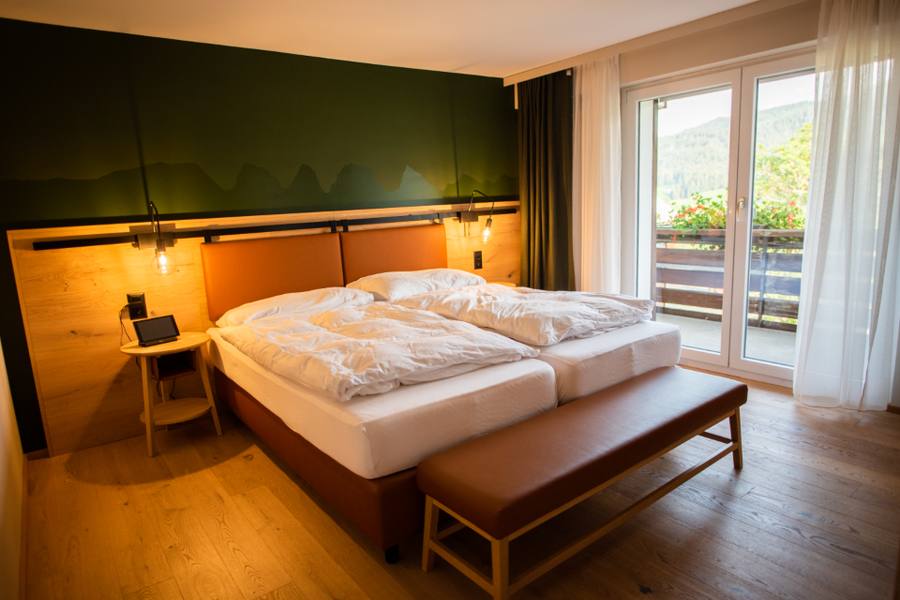
Representative image (stock photo); not the exact product.
Responsive Rather Than Slow
Memory foam sinks slowly and holds a body impression, and latex pushes back immediately and returns to shape as soon as pressure moves.
That makes latex easier to move on, which suits anybody who changes position frequently and dislikes the sinking sensation of memory foam.
It still contours to pressure, which means it provides comfort without the enveloped feeling that some people find claustrophobic.
Durability Is The Strongest Argument
Natural latex lasts substantially longer than polyurethane foam, frequently well beyond a decade with proper support underneath.
That longevity offsets a considerable part of the higher purchase price when calculated over the life of the mattress.
It also sags far less than foam, which means the support quality stays consistent rather than degrading gradually.
Dunlop And Talalay Processes
Dunlop latex is denser and firmer with a slight variation through the layer, and it is cheaper to produce.
Talalay latex is lighter and more consistent and has a softer springier feel, and it costs more.
Neither is better and they feel different, which means trying both matters more than reading about the manufacturing difference.
Natural, Synthetic And Blends
Natural latex comes from rubber tree sap and synthetic latex is petroleum based, and blends are extremely common and frequently marketed ambiguously.
A mattress described as latex may contain very little natural material, and the percentage is what to look for.
Certifications confirm natural content and organic status, and looking for one is the only reliable way to know what you are buying.
Weight, Allergy And Practicalities
Latex mattresses are extremely heavy, which makes rotating them genuinely difficult and delivery to an upstairs bedroom a real consideration.
Natural rubber latex allergy is a recognised condition, and anybody with a known latex allergy should avoid these or seek medical advice first.
The material is naturally resistant to dust mites and mould, which is a genuine benefit for some allergy sufferers separate from the latex question.
Ventilation holes running through latex layers, called pincore holes, are part of how the material is moulded and also serve to move air through the mattress. Larger holes produce a softer feel in that area, which is how some manufacturers create zoning without changing material. That construction is why latex breathes considerably better than solid polyurethane foam despite being a similarly dense material, and it is the reason latex mattresses do not have the heat reputation memory foam does.
Layered latex mattresses with separate removable layers let firmness be changed by reordering them, which is genuinely useful when a preference changes or when a partner needs something different. Those constructions cost more and are the only mattresses that can be meaningfully adjusted after purchase rather than replaced.
Certification is what separates a genuinely organic latex mattress from one described loosely, since organic claims on bedding are not otherwise regulated in any meaningful way.
Smell on a new latex mattress is a mild rubbery odour rather than the chemical one foam produces, and it fades within a week or two of airing.
The Verdict
An excellent and expensive mattress where durability and responsiveness justify the cost for many people.
It is very heavy, natural content is frequently overstated, and latex allergy rules it out for some.
Check the natural latex percentage. Many mattresses sold as latex contain very little of it.
At a glance
Pros
- Lasts well beyond a decade
- Responsive without a sinking feeling
- Naturally resists dust mites and mould
- Sleeps cooler than memory foam
Cons
- Extremely heavy to move or rotate
- Natural content is often overstated
- Expensive relative to foam
- Unsuitable for anybody with latex allergy
Frequently asked questions
How does it compare to memory foam?
Latex pushes back immediately and returns to shape, where memory foam sinks slowly and holds an impression. That makes latex easier to move on and avoids the enveloped feeling some people dislike.
Is it worth the price?
On durability, frequently yes — natural latex lasts well beyond a decade and sags far less than foam, so the cost per year compares reasonably. It is very heavy to move and rotate, which is the practical cost.
Is it really natural?
Check the percentage and look for certification. Blends with petroleum-based synthetic latex are extremely common and frequently marketed ambiguously, and a mattress described as latex may contain very little natural material.
Specifications
| Type | Natural latex mattress |
| Feel | Responsive, bouncy, contours without sinking |
| Key strength | Durability, often beyond a decade |
| Dunlop | Denser and firmer, cheaper |
| Talalay | Lighter, softer, more consistent |
| Check | Natural latex percentage and certification |
| Practical issue | Very heavy |
| Caution | Natural rubber latex allergy |
The bottom line
Durable, cool and responsive at a real price. Verify the natural latex percentage before believing the label.
Check Price on Amazon